What Are the Symptoms of Severe Vitamin B12 Deficiency
What Are the Symptoms of Severe Vitamin B12 Deficiency? (India Guide)
Vitamin B12 is one of the most important nutrients for your nervous system, energy levels, and red blood cells. Yet many people in India — especially vegetarians — don’t get enough.
Mild deficiency may cause tiredness, but severe vitamin B12 deficiency can damage nerves, affect memory, and even lead to anemia.
If you’ve been feeling unusually weak, forgetful, or tingling in your hands and feet, it’s worth understanding the signs of serious B12 deficiency.
What Is Vitamin B12?
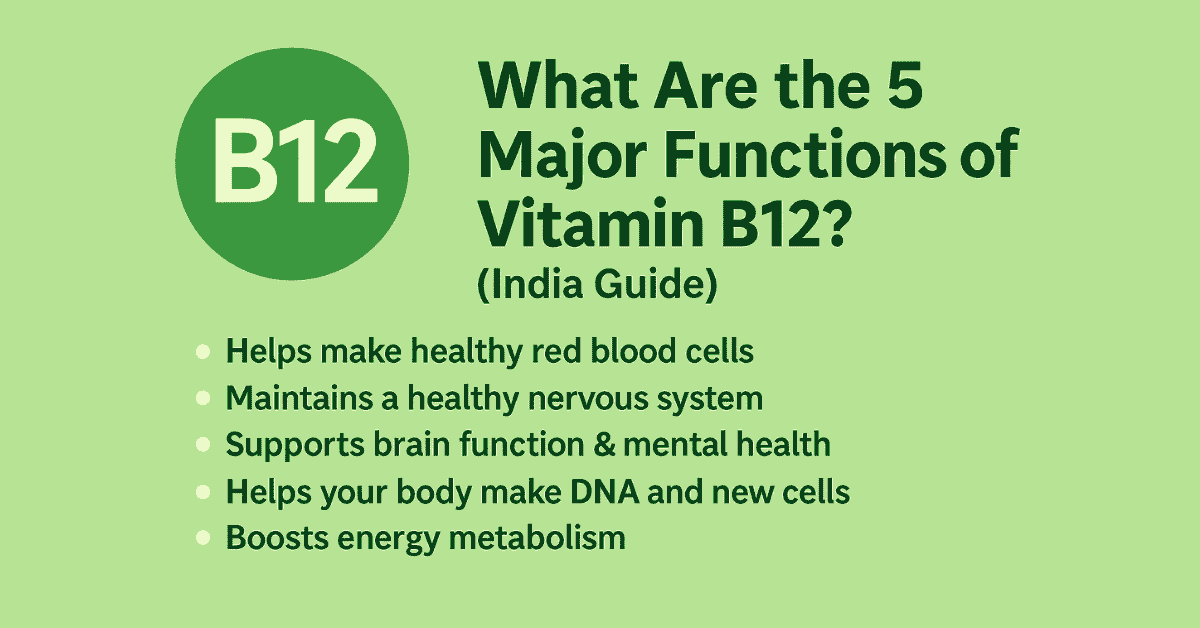
Vitamin B12 (also called cobalamin) is a water-soluble vitamin. Your body uses it to:
- Make healthy red blood cells that carry oxygen.
- Maintain the myelin sheath — a protective covering for nerves.
- Support brain function and memory.
- Produce DNA and energy.
Because it’s water-soluble, your body doesn’t store a huge amount, but you still need regular intake from food or supplements.
Recommended Daily Intake in India
According to the Indian Council of Medical Research (ICMR):
- Adults: 2.4 mcg per day
- Pregnant women: 2.6 mcg per day
- Breastfeeding women: 2.8 mcg per day
Note: Many Indians eat vegetarian diets that lack natural B12 sources, making deficiency common.
Why Vitamin B12 Deficiency Is Common in India
- Vegetarian diets: Natural B12 is found mostly in animal foods (meat, fish, eggs, dairy).
- Over-reliance on polished cereals: No B12 in rice/wheat.
- Digestive issues: Low stomach acid, gastritis, or surgeries can reduce absorption.
- Alcohol use: Interferes with absorption.
- Long-term use of certain medicines: Like metformin (for diabetes) or acid-reducing drugs.
Symptoms of Severe Vitamin B12 Deficiency
When B12 levels drop very low for months or years, you can develop serious and sometimes permanent symptoms:
1. Extreme Fatigue and Weakness
- Feeling unusually tired even after rest
- Shortness of breath on mild exertion
- Low stamina
Reason: Without enough B12, your body can’t make healthy red blood cells → less oxygen → fatigue.
2. Numbness or Tingling (Neuropathy)
- Pins-and-needles in hands, feet, or legs
- Burning or electric-shock feelings
- Loss of balance when walking
Reason: B12 deficiency damages the myelin sheath that protects nerves.
3. Difficulty Walking or Poor Balance
- Clumsiness, frequent tripping
- Unsteady gait
- Trouble climbing stairs
Severe deficiency can affect the spinal cord and nerves, making coordination harder.
4. Memory Loss and Mental Confusion
- Forgetting everyday things
- Brain fog, poor focus
- Mood changes, irritability, even depression
B12 is vital for healthy brain chemicals and nerve function.
5. Pale or Jaundiced Skin
- Skin may look pale or slightly yellow
- Eyes may have a mild yellow tinge
Reason: Low red blood cells + fragile cells breaking down release bilirubin.
6. Glossitis and Mouth Ulcers
- Red, swollen tongue that may feel sore or burn
- Frequent mouth ulcers or cracks at the corners of lips
7. Vision Changes
- Blurred vision or visual disturbances
- Caused by damage to the optic nerve
8. Mood and Mental Health Problems
- Depression
- Anxiety
- Irritability
- In severe cases, hallucinations or psychosis (rare but possible)
9. Heart Palpitations and Shortness of Breath
- Due to anemia (low oxygen carrying capacity).
10. Weight Loss and Poor Appetite
- Severe deficiency may reduce appetite and cause unintentional weight loss.
Severe B12 Deficiency vs Mild Deficiency
| Feature | Mild Deficiency | Severe Deficiency |
|---|---|---|
| Energy | Tired but manageable | Extreme fatigue, can’t do daily work |
| Nerves | Occasional tingling | Persistent numbness, difficulty walking |
| Mood | Mild irritability | Depression, confusion, memory loss |
| Blood | Low RBC count | Full anemia with pale skin, heart strain |
| Recovery | Quick with supplements | Slower, some nerve damage may remain |
Diagnosing Severe B12 Deficiency
- Blood test: Serum B12 levels (normal ~200–900 pg/mL).
- Homocysteine & methylmalonic acid: High levels = deficiency.
- Complete blood count (CBC): Shows megaloblastic anemia.
- Neurological exam: If nerve symptoms present.
If you suspect deficiency, see a doctor — early treatment prevents permanent nerve damage.
Treatment Options
- Oral B12 supplements: 500–1000 mcg/day for mild cases.
- Injections: Hydroxocobalamin or methylcobalamin for severe or absorption issues.
- Diet improvement: Add B12-rich foods (below).
Indian Foods Rich in Vitamin B12
- Milk & curd (dahi)
- Paneer & cheese
- Egg yolks
- Fish (mackerel, salmon, sardines)
- Chicken & mutton (especially liver — very high but eat occasionally)
- Fortified breakfast cereals & plant milk (check labels)
Vegetarians can rely on fortified foods & supplements — natural plant sources are very limited.
How to Prevent Severe Deficiency
- Eat milk, curd, paneer, eggs, or fish regularly if possible.
- Vegans: choose fortified plant milk or cereals + B12 supplements.
- If you’re on metformin or acid-reducing medicines, ask your doctor to check B12 yearly.
- Heavy alcohol users should monitor levels.
- Pregnant or breastfeeding women should take prescribed prenatal vitamins.
FAQs About Severe Vitamin B12 Deficiency
1. What is the most serious symptom of low B12?
Nerve damage — tingling, numbness, difficulty walking, and memory loss.
2. Can severe B12 deficiency cause permanent damage?
Yes. Long-term untreated deficiency may cause irreversible nerve problems.
3. Does B12 deficiency cause hair loss?
It can contribute to diffuse thinning, but isn’t usually the only cause.
4. How long does it take to fix severe deficiency?
Energy improves within weeks after injections, but nerve recovery may take months.
5. Can vegetarians avoid B12 deficiency naturally?
It’s difficult. Use fortified foods and consider supplements.
6. Are B12 injections better than tablets?
For severe deficiency or absorption problems, injections work faster.
7. Is it safe to take B12 every day?
Yes. B12 is water-soluble; extra is excreted.
8. Can severe B12 deficiency cause depression or mood issues?
Yes. Low B12 is linked to depression, irritability, and brain fog.
9. What blood level shows severe deficiency?
Below 150 pg/mL is usually considered severe; symptoms may appear even if slightly higher but functionally low.
10. Can children have severe B12 deficiency?
Yes, especially vegan/vegetarian kids or those with digestive disorders. It may affect growth and nerves.
Final Takeaway
Severe vitamin B12 deficiency is serious and can damage your nerves and brain if ignored.
Watch out for extreme fatigue, numbness, poor balance, memory loss, pale or yellow skin, and mood changes.
If you suspect deficiency:
- Get a blood test early.
- Start treatment with supplements or injections as advised.
- Improve your diet with dairy, eggs, fish, or fortified foods.
Early detection prevents permanent nerve damage — so don’t ignore the signs.
Would you like me to also prepare a meta title & description for this article and suggest internal linking anchor ideas (so it fits neatly with your other B12 posts like “Can vitamin B12 deficiency cause hair loss”)?





Post Comment