Which Indian Foods Are Rich in Vitamin A
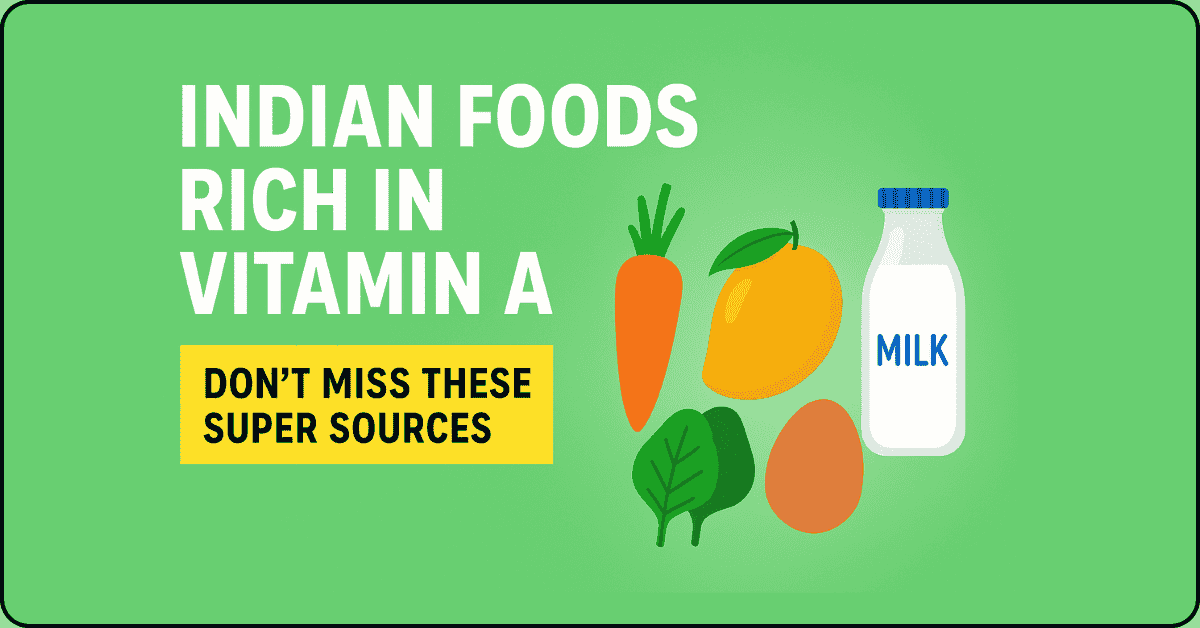
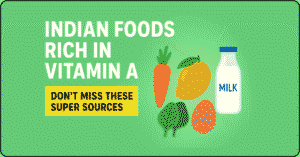
Which Indian Foods Are Rich in Vitamin A? A Complete Guide
Vitamin A is an essential nutrient for good eyesight, strong immunity, healthy skin, and proper growth. In India, many people still face vitamin A deficiency, especially children and pregnant women. The good news is that plenty of Indian foods naturally contain vitamin A — you just need to know where to find them and how to include them in your daily meals.
Types of Vitamin A
Vitamin A comes in two forms:
- Preformed vitamin A (retinol): Found in animal foods like dairy, eggs, and liver. Your body can use this form directly.
- Provitamin A carotenoids (beta-carotene): Found in colorful fruits and vegetables (carrots, mangoes, leafy greens). Your body converts them into active vitamin A as needed.
Tip: Beta-carotene is safer — the body converts only what it needs, so overdose risk is very low.
Recommended Daily Intake in India
According to the Indian Council of Medical Research (ICMR):
- Men: 900 mcg (≈3,000 IU)
- Women: 700 mcg (≈2,333 IU)
- Pregnant women: 770 mcg (≈2,565 IU)
- Breastfeeding women: 1,300 mcg (≈4,333 IU)
- Children: 300–600 mcg depending on age
Top Indian Foods Rich in Vitamin A
🥬 Vegetables (High in Beta-Carotene)
- Carrot (gajar): A classic winter food rich in beta-carotene.
- Sweet potato (shakarkand): Naturally sweet and packed with vitamin A.
- Pumpkin (kaddu): Good for curries and soups, high in carotenoids.
- Spinach (palak): A powerhouse leafy green.
- Fenugreek leaves (methi): Great for parathas and curries.
- Amaranth leaves (chaulai): Highly nutritious but often underrated.
- Drumstick leaves (moringa/saijan patta): Extremely rich in vitamin A.
- Mustard greens (sarson ka saag): A North Indian winter favorite.
Absorption tip: Cook these with a little ghee or oil — vitamin A is fat-soluble and absorbs better with fat.
🥭 Fruits
- Mango: One of the richest fruit sources of vitamin A.
- Papaya: Easy to digest and full of beta-carotene.
- Cantaloupe (kharbuja): Refreshing and vitamin A rich.
- Watermelon: Contains some beta-carotene too.
- Apricot (khubani): A good dried fruit option.
🥛 Dairy & Animal Foods (Preformed Vitamin A)
- Whole milk: Popular and fortified in some regions.
- Ghee and butter: Good sources of preformed vitamin A.
- Cheese: Contains retinol in moderate amounts.
- Egg yolk: Excellent for bioavailable vitamin A.
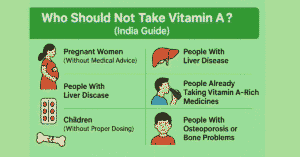
- Liver (goat, chicken, fish): Extremely rich — but eat sparingly to avoid toxicity.
- Oily fish (mackerel, salmon, cod): Rich in retinol and omega-3.
🌾 Fortified Foods
In India, some packaged milk, edible oils, and cereals are fortified with vitamin A.
Look for “Fortified with Vitamin A” on labels — especially helpful for children and people with low dietary intake.
How to Add Vitamin A Foods to Your Indian Diet
- Include 1–2 servings of leafy greens in daily lunch or dinner.
- Use pumpkin or sweet potato in sabzis or soups.
- Snack on papaya or mango when in season.
- Add egg yolks if you’re non-vegetarian.
- Use a little ghee or oil while cooking vegetables to improve absorption.
- Check if your cooking oil or milk is fortified with vitamin A.
FAQs About Vitamin A in Indian Diet
1. Which vegetarian foods in India have vitamin A?
Carrots, spinach, methi, pumpkin, sweet potato, drumstick leaves, mango, and papaya are excellent vegetarian sources.
2. Can cooking destroy vitamin A?
Vitamin A is fairly heat-stable, but cooking in too much heat for long can reduce it slightly. Light cooking with a little fat helps absorption.
3. Is vitamin A from plants enough for vegetarians?
Yes, if you eat enough beta-carotene-rich foods like carrots, leafy greens, and mangoes regularly.
4. Is it safe to eat liver for vitamin A?
Liver is very high in vitamin A. Small amounts occasionally are safe, but frequent or large servings may cause overdose.
5. Do Indians need vitamin A supplements?
Most healthy adults can meet needs from food. Supplements are usually for people with deficiency, pregnancy, or special medical advice.
6. Which Indian fruit has the most vitamin A?
Mango and papaya are among the richest fruits for vitamin A.
7. How can children get enough vitamin A?
Give them milk, ghee, eggs (if non-veg), and colorful vegetables like carrots and pumpkin.
8. Why is vitamin A deficiency common in India?
Low intake of vegetables and animal foods, poverty, and poor diet diversity are major reasons.
9. Is too much vitamin A from food harmful?
Plant-based vitamin A (beta-carotene) is safe. Overdose risk is from animal liver or high-dose supplements.
10. What is the best way to increase vitamin A naturally?
Eat leafy greens + orange vegetables + fruits like mango & papaya with a bit of fat for better absorption.
Final Takeaway
India has plenty of natural vitamin A sources — from gajar, palak, and methi to mango and papaya, plus dairy and eggs.
A balanced plate with colorful vegetables and fruits, some dairy or eggs, and a little healthy fat is enough for most people to meet their daily vitamin A needs safely — without worrying about deficiency or overdose.
Would you like me to quickly write an SEO meta title + meta description and some internal linking anchor text suggestions for this article (so you can publish it ready for Google)?








Post Comment